Viking Inspiration
My family tree runs deep into Scandinavia. Denmark and Norway are not just places on a map for me, they represent family stories and 'Viking' characteristics that have traveled down into the lives of those I've known well like my Grandmother Jennie and her oldest child, my Aunt Judy.
Years ago, I was involved in negotiations with the Archive of Norway. I was a senior leader at Ancestry.com then and we were making a pitch for them to allow us access to digitize some of their older records (those are now searchable and available on Ancestry.com). During that visit, it was a thrill to stand on the shore of the Bay of Oslo (Oslo fjord) where I imagined that perhaps one of my own ancestors had struck out into the danger and promise of the North Sea from here. I keep a small piece of shale from beneath the water in my study to remind me of their boldness and courage.
The wolf was central to Viking culture in ways that went far beyond decoration. Odin, the Allfather, kept two wolves as constant companions. Their names, Geri and Freki, mean "the ravenous one" and "the fierce one."
Fenrir, the great wolf of Norse mythology, was powerful enough that even the gods feared him. The berserkers, the most ferocious Viking warriors, were sometimes called ulfhednar — wolf-coated warriors who fought with the spirit of the wolf inside them.
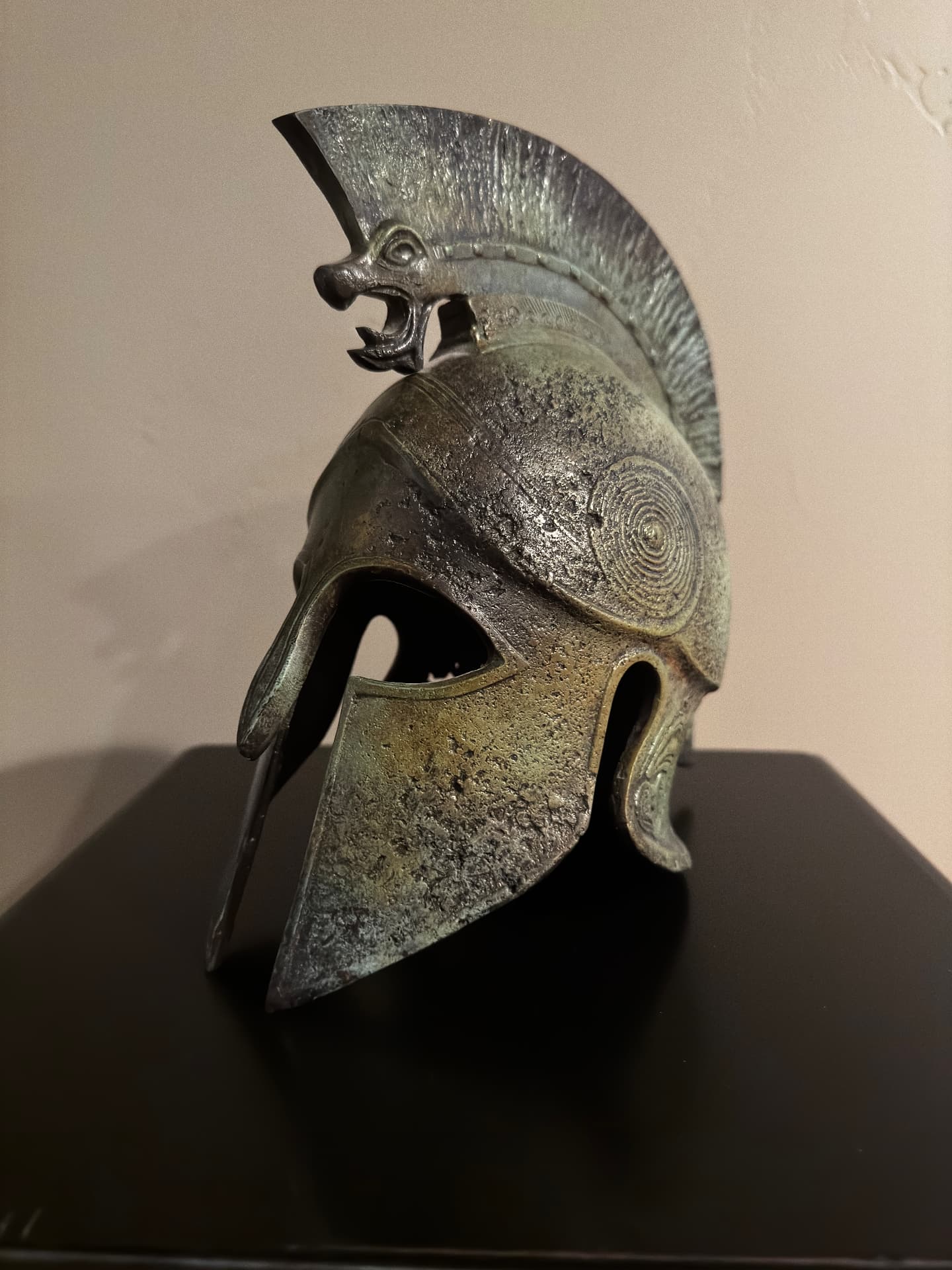
The wolf was not just a Viking symbol. According to Livy the great Roman historian, the city of Rome was founded by Romulus and Remus, twin brothers, who were raised by a she-wolf. The Spartans studied the wolf for its discipline, relentlessness, and unit cohesion. Across many cultures the wolf appears again and again — not as a symbol of mindless aggression, but as a symbol of intelligent, organized, purposeful power … controlled ferocity.
The Pack Survives Because of How It Is Led
In scientific observations about wolves, stripped of the mythology and stories told to keep children from wandering the woods at night, we discover powerful lessons in leadership.
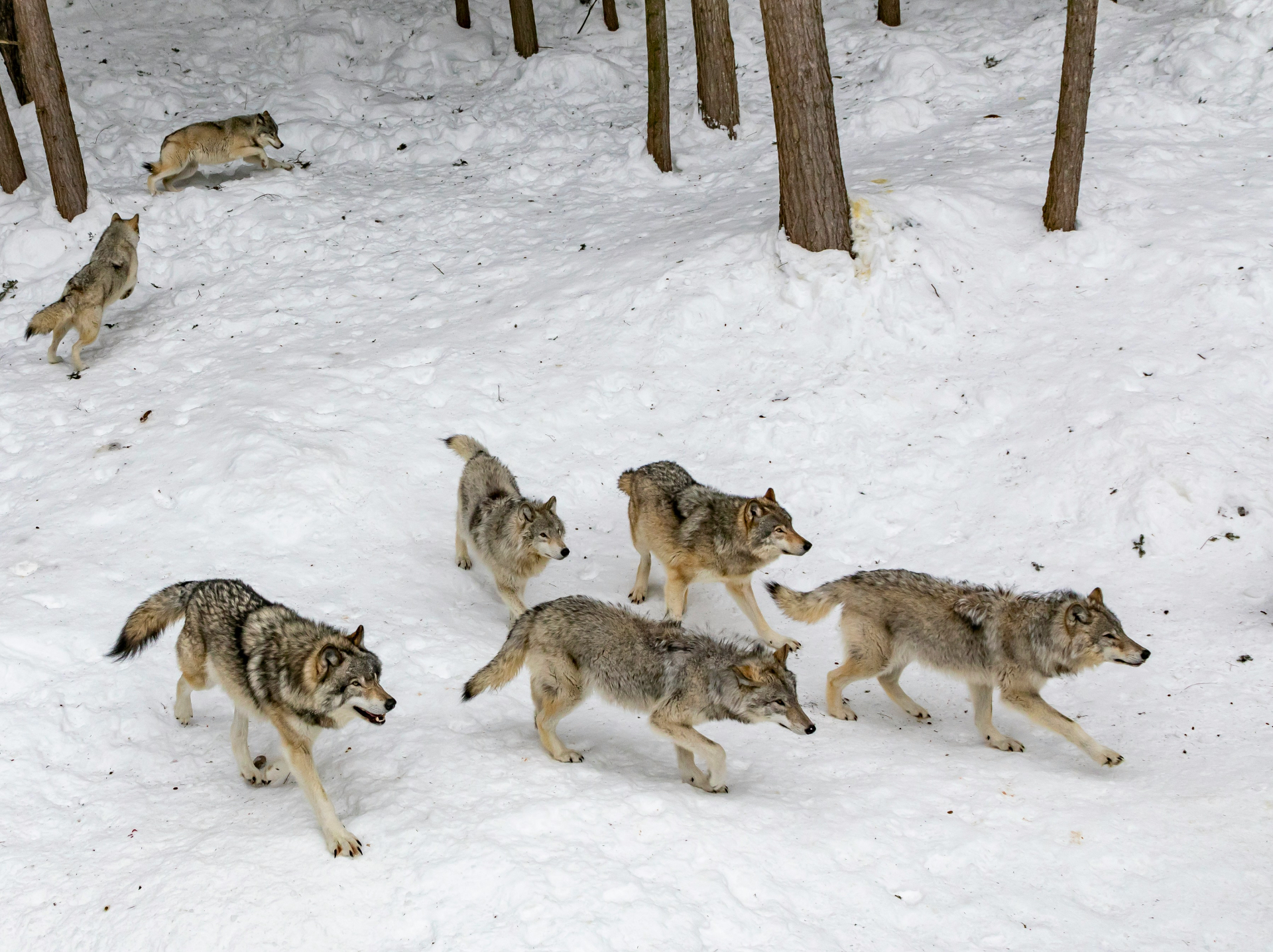
Wolves have personalities and their lives shape how they deal with others and their circumstances. In a healthy wolf pack, leadership is not a position held by the most aggressive animal. It is a function performed by the most experienced, most trusted, and most situationally aware members of the group. The alpha pair lead because the pack has confidence in their judgment, not because they have physically dominated every other wolf into submission.
The alpha's primary responsibilities are protection, teaching, and limit-setting. They are the first to investigate a potential threat and the last to retreat from it. They model how to hunt, how to read terrain, and how to manage the energy of the pack over a long pursuit. They establish the behavioral boundaries that keep the pack functional — not through arbitrary displays of power, but through consistent, predictable responses that every pack member comes to rely on. Younger wolves learn by watching. They are corrected when they overstep. They are included, incrementally, in responsibilities they are ready for. All these characteristics are desirable leadership qualities for any organization.
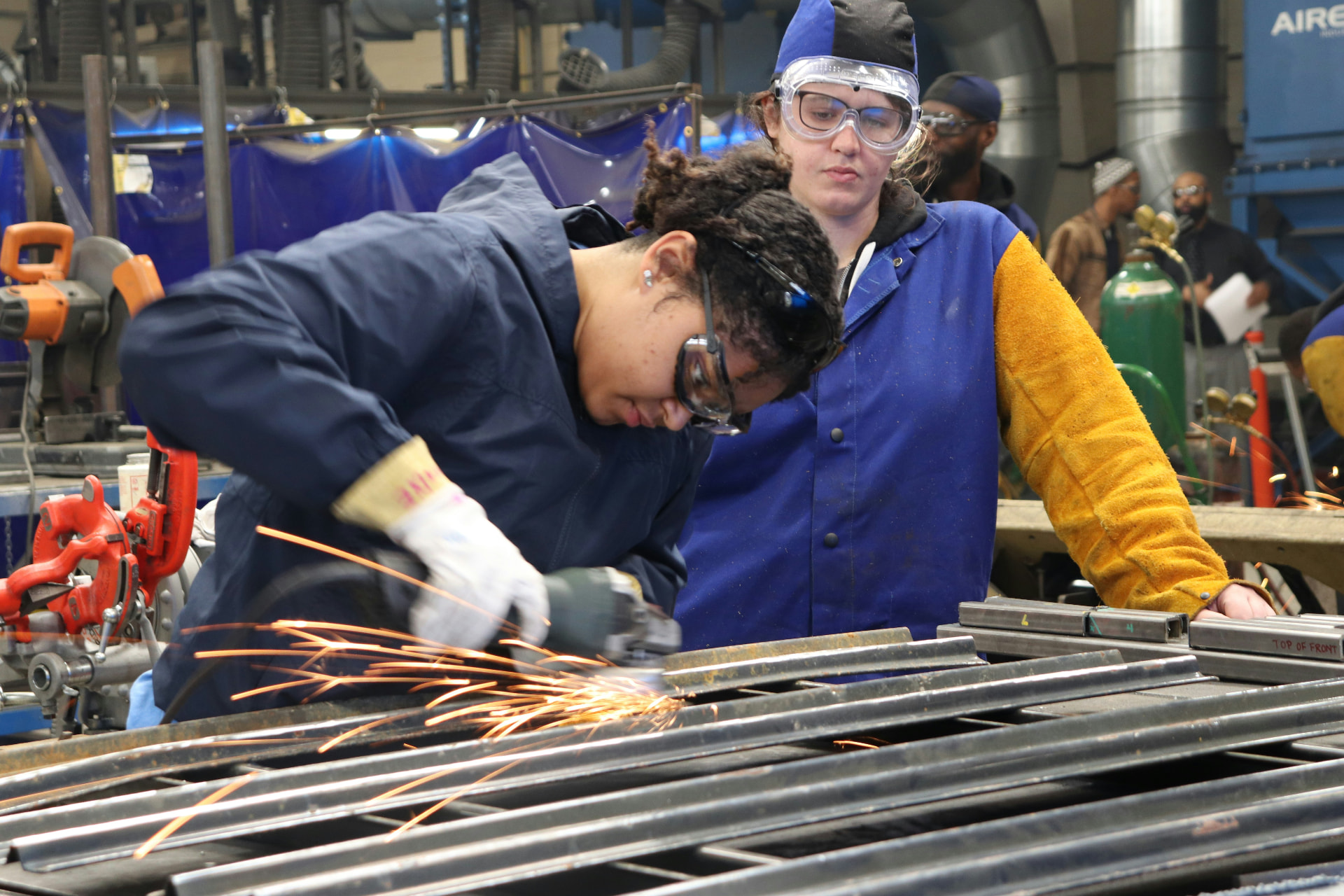
I had a plant manager once who had come from a very different business and operations culture. Lon Tibbitts arrived at my organization and was a wolf in the midst of lackluster performances and tepid leadership, which as a junior leader, I was bristling under. His arrival was a welcome jolt of energy for those of us on the team who were ready to be and do more. He departed within a year to take over a larger plant/production operation in the same organization … and took me with him as a supervisor for one of the production lines. Those two years working alongside him and under his direction — watching his toughness, vision, and appropriate ferocity on full display — changed me as a leader. Like the young wolf who watches how the alpha operates, I soaked in every lesson. Including those that were painful to me, as I was (figuratively speaking) shown pointy teeth or jabbed back into line.
I have worked with genuinely excellent leaders like Lon as well as some truly destructive ones. One element that defines pack leadership at its best, is selflessness. The alpha eats, yes — but the pack eats first when food is scarce, and the pups need feeding. The alpha rests — but not until the territory is secured and the young are settled. There is a profound orientation toward the survival and flourishing of the whole. This notion runs counter to what we sometimes (too often) see in leadership: a position that entitles you to more, rather than a role that obligates you to give more.
That healthy wolf pack leadership style, however, is NOT devoted simply to your comfort. It is leadership that wants YOU to win and succeed, and is willing to push, challenge and test you. It's the alpha's job to teach, correct, and build YOU — even if it is painful.
The pack survives because its leaders understand that their status is not the point. The pack is the point. The mission is the point. Building competent succession of leadership is the point. When leadership functions the way wolf pack leadership works in nature — you get one of the most effective cooperative hunting and survival systems in the animal kingdom.
One of the key leadership lessons I take from the wolf is: Not the ferocity — though there is a time for that. Not the hierarchy — though structure matters. It is the orientation. Who are you working for when you step into a leadership role? If the honest answer is yourself, you are not leading a pack. You are just the loudest animal in the room.