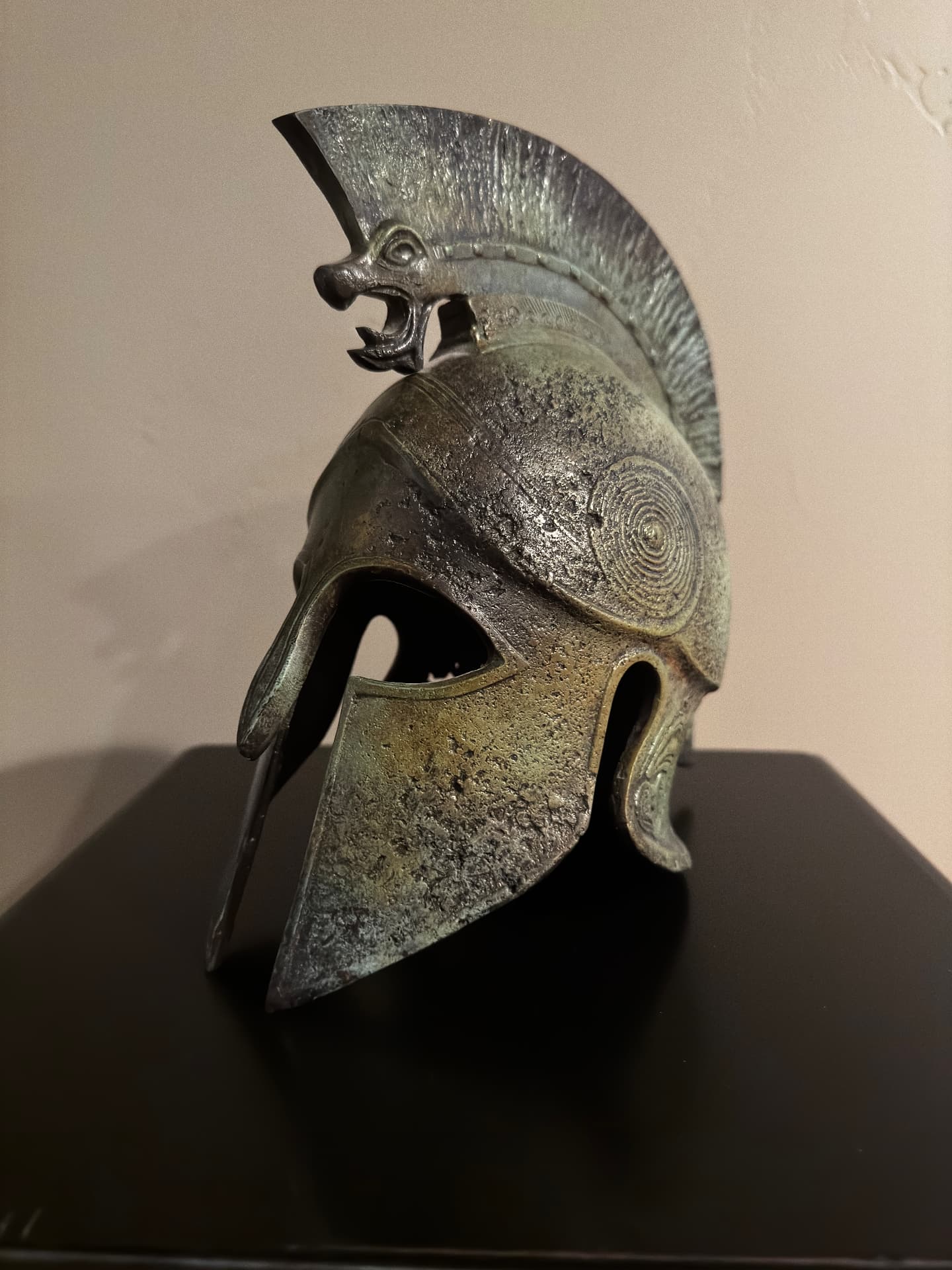
There is a moment every new leader meets. Something goes wrong in a meeting and you look bad. Or you handle something with another team, and you look bad there too. Or a decision arrives a week earlier than expected, you do not handle it well, and you are not happy about how you performed. Later, walking to your car, you replay it and you are not entirely sure why you did what you did.
That was not a decision. That was an instinct firing.
Most of what a leader does under pressure is instinct, and that is not a failure of discipline. It is how expertise works. A surgeon does not reason through a suture. An experienced pilot does not consult a checklist when the stall horn sounds. The reasoning happened earlier, many times, until it worked its way into something faster than thought. Leadership works the same way. The judgment you have made a hundred times arrives before deliberation does.
Which leads to the uncomfortable part.
Instincts can be trained the wrong way just as easily as the right way. Practice makes permanent, not perfect.
Whatever you rehearse is what will arrive automatically when the situation is live. If you have spent three years watching a manager deflect blame and you have quietly absorbed the pattern, that is what will surface the first time a project fails on your watch. Nobody decided to become that. It was trained in, one unexamined repetition at a time.
The good news is that the same mechanism runs in both directions. Instincts are trainable, and they are trainable on purpose. What follows are five ways to do it — none of which require a budget, a program, or anyone's permission.
1. Own your skills and your judgment
Accept error as something to learn from, not something to denigrate yourself over.
This one comes first because it gates the other four. A leader who treats every mistake as evidence of personal inadequacy eventually stops making the kind of decisions that produce growth. The pervasive self-criticism that feels, in your quieter moments, like high standards is just training to become risk averse. You cannot study your own errors honestly while you are busy being ashamed of them.
There is a version of self-accountability that sounds harsh: I am terrible at this. That is not useless — an honest look at reality is how you find the problem. But a more useful self-critique would be: I moved too fast on that because I wanted the discomfort to be over, and it cost us two weeks. One is a verdict. The other is information.
Own the call. Own the outcome. Extract what it taught you and keep moving forward.
2. Practice through reading
When you read about other leaders — their successes and their failures — you are taking mental reps.
This is the cheapest practice available and the most underrated. Running someone else's situation through your own judgment, then comparing what they chose against what you would have done, exercises exactly the machinery you use in your own work. You get the pattern without paying for the mistake.
The trick, my gift of insight to you, dear reader, is to look for the decision, not the outcome. Most leadership writing is organized around results, which is the least useful part — you already know it worked out, so every choice looks inevitable. Read instead for the moment before: what did this person know at the time, what were they afraid of, what did they choose and why?
History is particularly good for this, because the distance strips away the noise. A general deciding whether to hold a position or withdraw is running the same calculation as a director deciding whether to defend a strategy or abandon it. The stakes differ. The structure does not.
3. Watch and learn
Being a creeper who watches other people DOES have a benefit.
Well — do not be a creeper. But pay attention to what others are doing. Each of us is surrounded by people doing this job, right in front of us. They do it well and they do it poorly. Most of what could be instruction is lost because all we register is the outcome, or a flash of warmth, or anger. Made deliberate, watching becomes the fastest form of practice you have access to.
Watch the good examples and ask what specifically made the moment work — not that it went well, but what the person actually did. Watch the bad ones with the same attention, and be precise about the failure. That meeting was a mess could win you a Pulitzer for its cunning insight into the obvious. But he answered the question that was asked instead of the question that was meant, and the room disengaged, like someone turned off each individual set of lights — that is something you can work with. File it away. Remember not to repeat it when you are the one standing in front of the group taking a hard question.
4. Intelligent trial and error
If leading were easy, everyone would take turns and most would do it well.
Here is my Pulitzer-winning insight for you: it is not easy. Which means that if you ever want to be good at it, you will have to put in the work. Turn that observational scanning I just described onto yourself. Practice one is about accepting that you must train your judgment and build your skills. This one is about actually doing it, and it is not always comfortable.
When you are sitting in your car or on the bus thinking about the disaster you just perpetrated, take a breath and ask the questions. What drove you there? What impulse, what emotion, what piece of old training made that response feel automatic? The deflection you regret probably came from somewhere — a boss who punished bad news, a job where admitting uncertainty was costly. Those instincts were rational once. They are simply not serving you now, and they will keep firing until they are examined.
Writing about it helps more than you would expect. Something about putting it in sentences forces a precision that thinking does not require. Bring it into the light of day, and habits that felt immovable start to have the mortar loosened around them.
5. Relentless follow-up
When something is worth getting hard-coded into your instincts, give it the same attention you would give to getting your Starbucks order right.
For seven dollars, the order needs to be accurate. We check. We notice. We say something.
So why do we expect the qualities we are trying to build in ourselves to just organically grow into something useful? These matter far too much to our success and our happiness to be shaped at random by whatever environment we happen to be standing in.
Some things only bend to your will when you look at them every day. You pick something to improve, you evaluate every day whether you did it or not, and you watch two out of seven gradually become six out of seven. The only reason it moved is that you kept checking and counting. That is not glamorous. It is just how instincts get built.
Pick one. This week.
Not all five. One.
An intention becomes an action when it is attached to a specific situation — when you know not just what you want to change, but when and where you will practice it. I want to be more decisive dissolves by Wednesday. In Thursday's planning meeting, I will make the call with what I have rather than asking for another week survives, because it has somewhere to happen. That difference is one of the more reliable findings in behavioral research, and it costs nothing to apply. Writing it down, in my experience, is what fixes it in the mind as a decision rather than a wish.
The instincts you will lead with in ten years are being trained right now, whether or not you are paying attention. You may as well aim them.