I took a lot of small denominations of USD cash because the travel advisories all said the local currency was rapidly becoming devalued. U.S. currency would get you anything you needed in the country — anything that wasn't already in shortage, which turned out to be true. Still, it wasn't the safest time to travel to Harare, the capital of Zimbabwe. The country was in a severe crisis. Several people needed work, and the team I was going to see needed my visit before they could start earning on the project I was managing across several African countries. Zimbabwe was the newest, and I had to go or they couldn't work.
Between November 2018 and February 2019, Zimbabwe — and particularly Harare — experienced one of its most severe socio-economic and political crises since the 2017 ouster of Robert Mugabe. Here's a summary of the core government problems, economic failures, and state responses during that period — the situation I walked into:
- Severe economic collapse and hyperinflation: a critical shortage of foreign currency reserves caused the local surrogate currency ("bond notes") to collapse in value.
- Essential goods shortages: by late 2018, shortages of bread, imported medicine, and basic foodstuffs had intensified across Harare.
- Massive fuel lines: long queues at gas stations became a daily fixture in urban centers as state-funded fuel supply chains broke down.
- The fuel price shock: on January 12, 2019 — about ten days before I arrived — President Emmerson Mnangagwa announced a 130–150% overnight increase in fuel prices, from $1.43 to $3.31 per liter, making Zimbabwe's fuel the most expensive in the world at the time.
- Public outrage: the hike sparked immediate fury as transport costs and basic goods prices doubled or tripled overnight, pushing urban residents into extreme poverty.
- Street demonstrations: protests erupted across the country, centered in Harare's high-density suburbs (Epworth, Chitungwiza, Highfield) and in Bulawayo. Protesters barricaded roads with burning tires, blocked public transit, and sporadically looted businesses. I was aware of all of it, but never caught in or near one.
- Lethal force: the government responded by deploying armed military and police, who fired live ammunition, rubber bullets, and tear gas at demonstrators.
- Casualties and raids: human rights organizations reported 12 to 17 deaths, over 170 injuries — dozens from gunshot wounds — and door-to-door night raids by masked soldiers in Harare.
- Mass arrests: more than 1,000 people were arrested through late January and February, including activist Pastor Evan Mawarire, trade union leaders, and opposition MDC lawmakers. Many faced treason charges.
- Social media restrictions: general internet access was partially restored under court order, but WhatsApp, Twitter, and Facebook stayed blocked through late January to keep activists from sharing footage of military abuse or organizing further protests. All of it was still in place during my visit.
Other than all that, it was a great visit.
I've traveled to several countries in Africa, many times, but never this far south. I was there to meet a business partner, finalize our terms, and set timelines — and to help train the first group of employees our partner's lead was bringing on board.
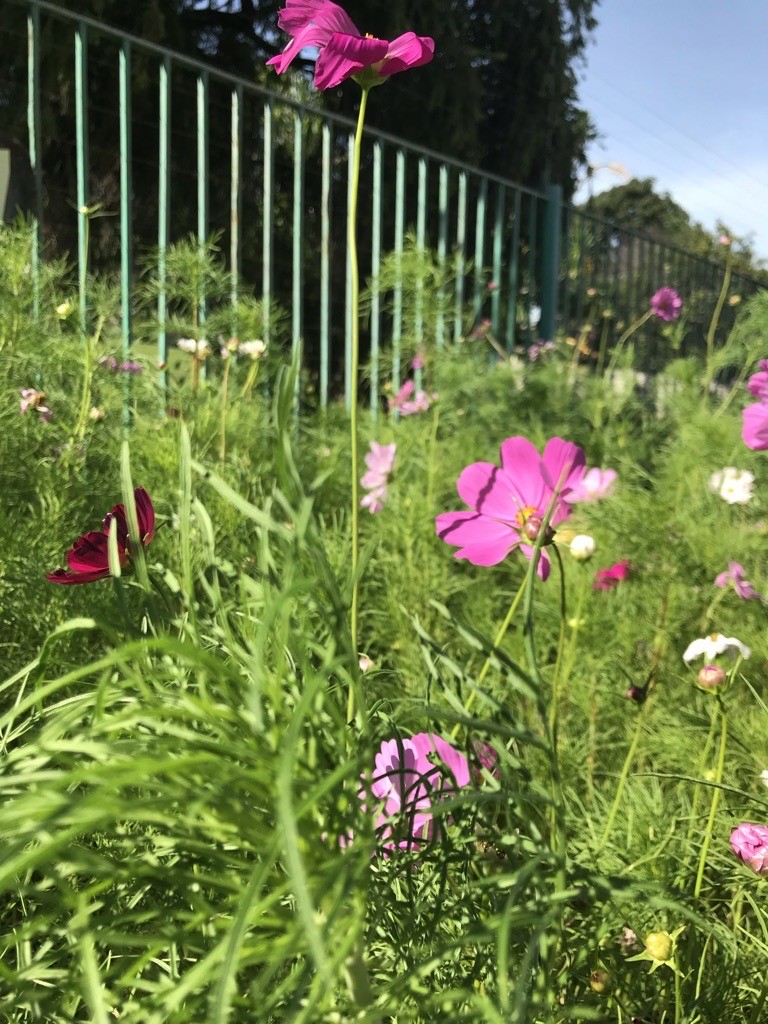
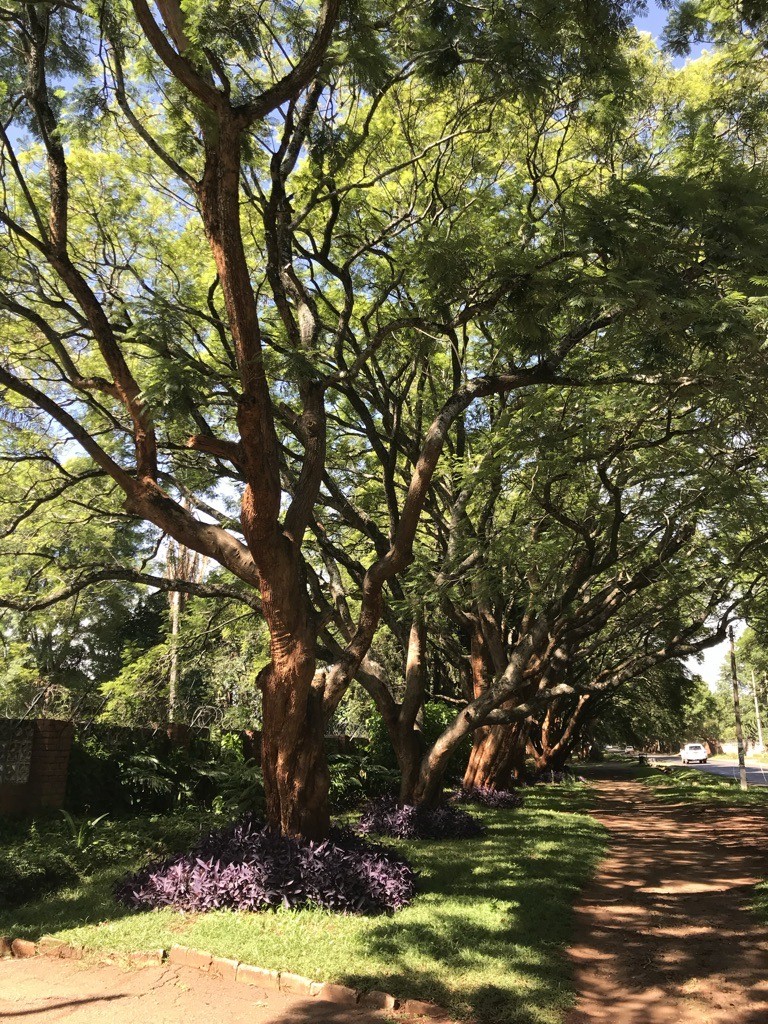
I stayed in something like a bed and breakfast, and the moment I saw the oversized can of bug spray that was standard in the room, I knew this was going to be an adventure. The people were kind, the bugs manageable. But the scenery where I was staying was extraordinary — warm, not uncomfortable, full of vibrant color and vegetation unlike anything in my own experience.
People were wary and strained, generally, but genuinely glad for the business I brought — hiring transportation, eating a meal somewhere.
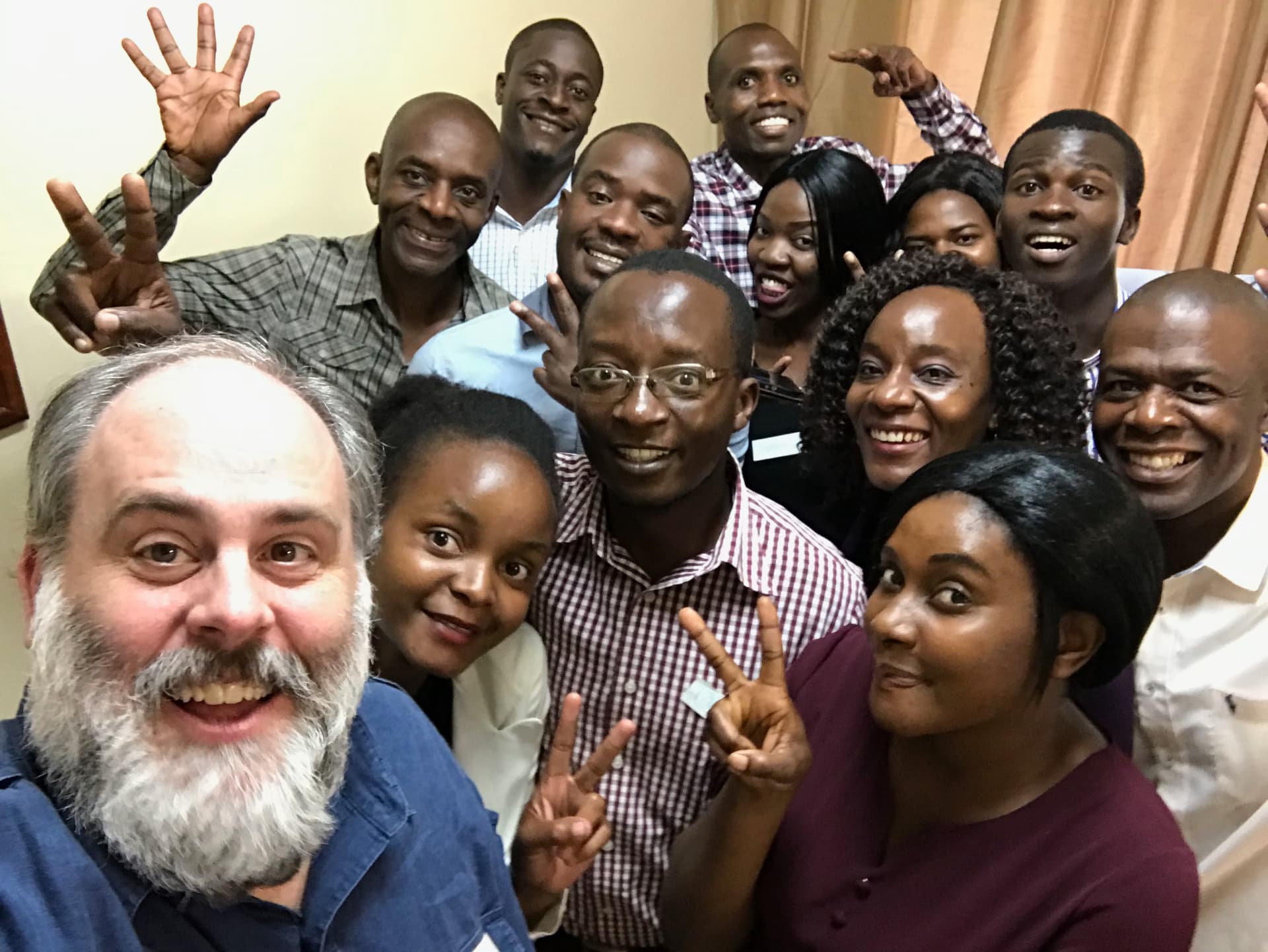
Later, in the downtown conference room where we'd scheduled our meetings, I met the team. And this is why I love traveling the world.
The group was led by Rob Makosa, who had assembled a team of bright, eager, capable young people to carry out our project — sending individuals and teams into rural areas to gather genealogical information for freely accessible public oral genealogy trees. Our client had strict standards for how the information was collected, verified, and transmitted back, including the agreements required from village elders and families in the communities where we worked. The work had a technical component — a good skill to have on a resume — but it also demanded real interpersonal skill: interviewing people, gathering and organizing information, and above all, precision, since family history in much of the world is oral tradition, not paper record. Village elders often hold the long memory of their families' genealogies, reaching back further than any government record — and this work carries real urgency, because those elders are growing older, often with no one left able or willing to carry the tradition forward.
We spent the day going over the project and getting to know one another, and I found myself marveling that people this eager and capable were facing such difficult circumstances just to find work. They're restricted, of course, by the broader economic health of their country — but also by the whim of individual companies and bosses, some as capable as they are, some not.
Setting this group onto a paying project with real value to families in their country was satisfying. But it didn't feel like nearly enough to stem the tide of unemployment in the region.
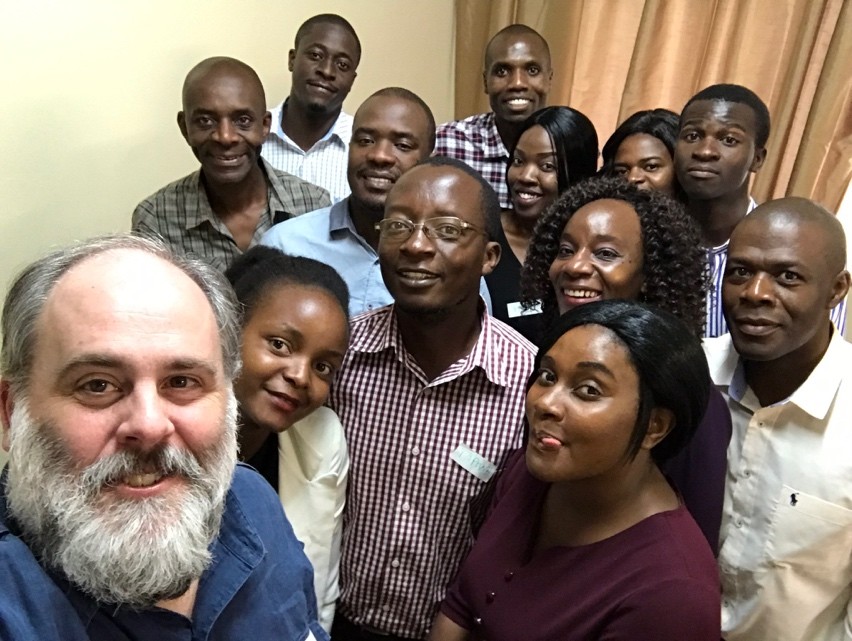
I left grateful for the privilege of meeting these good people and being part of the solution — and mindful that much more is needed before a larger set of people find real prosperity.